note
Jun 28, 2026 / 3 min read
The Biscuits Are Still Here
Riki lived next door, but our house kept food for him. After he was given away, his biscuits remained—and Tiger kept waiting.
- filed under Essay / Memory / Care
- author Shuvam Pandey
writing
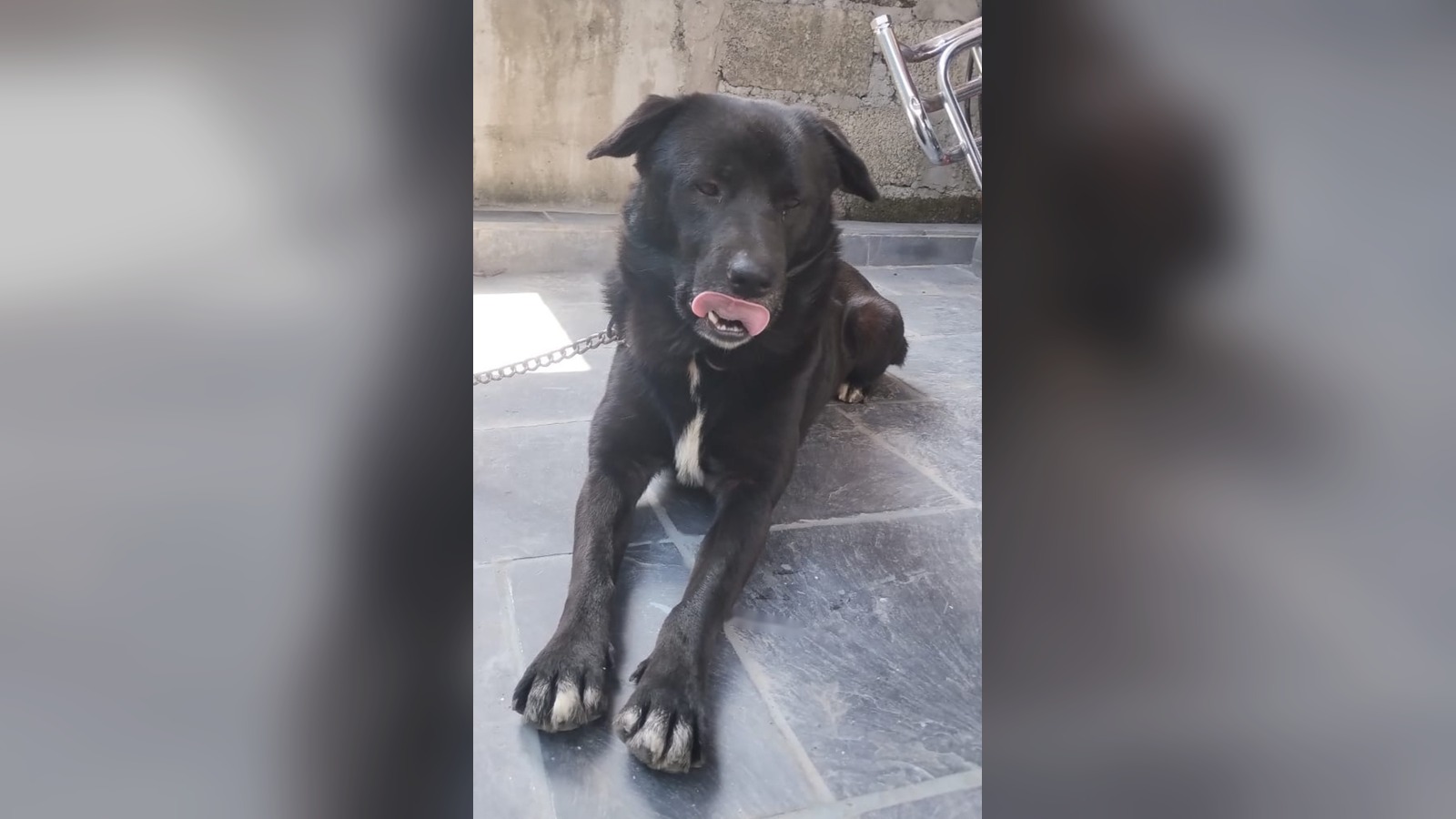
Riki was the neighbor’s dog.
That is what we would have had to say if anyone asked whose dog he was. It was true. But it left out our kitchen.
When meat was cooked in our house, some of it was kept aside for Riki. No one announced this. No one had to remind anyone. Before the plates were cleared, someone had already remembered that he would come.
There were biscuit packets bought for him too. They stayed inside our house, waiting for a dog who lived on the other side of the wall.
This was never discussed as kindness. It was just what our days had become. If there was food Riki would like, Riki was part of the count.
He lived next door. Our kitchen knew him anyway.
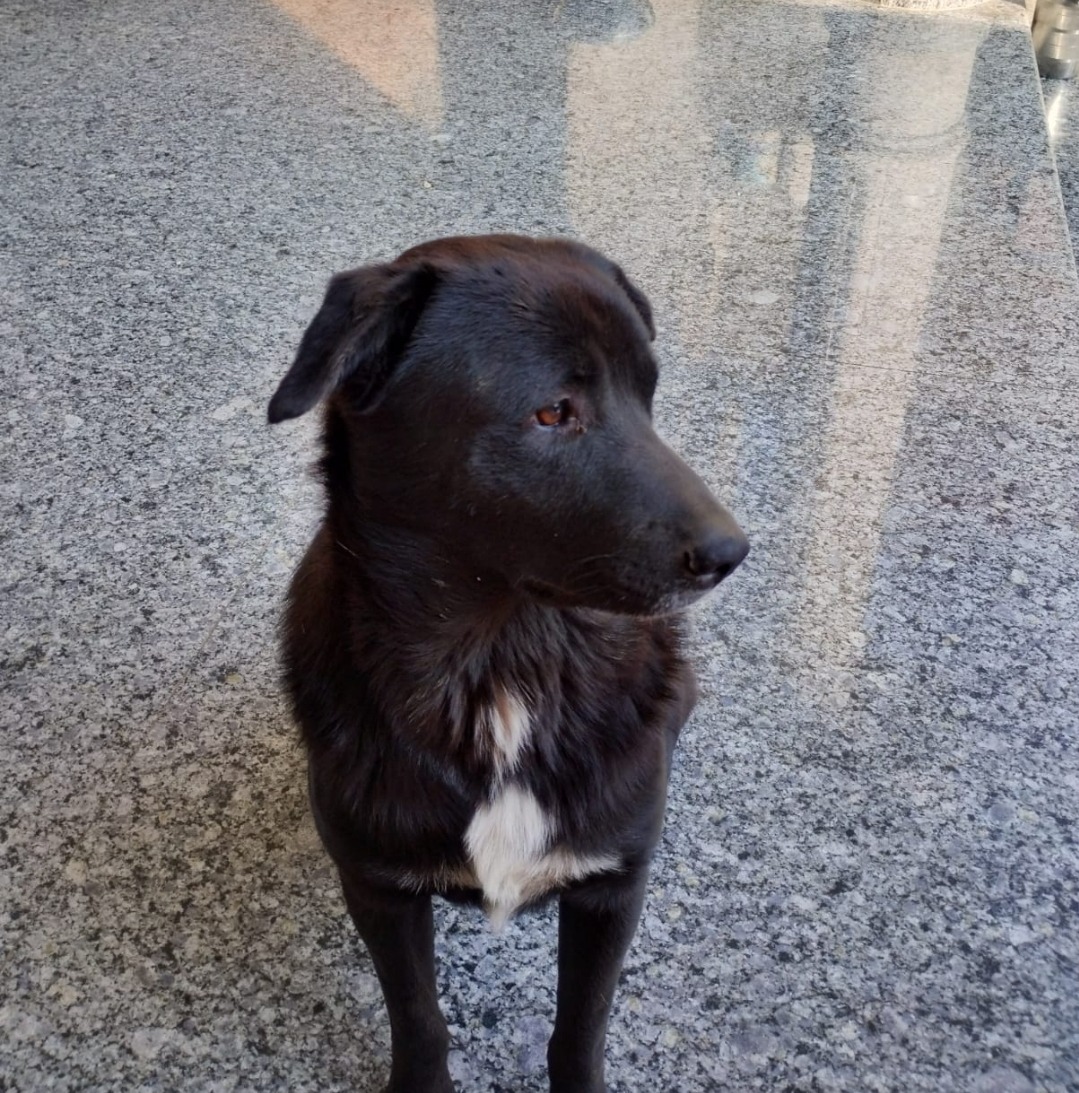
In one photograph he is sitting on the stone, looking somewhere beyond the camera. He is almost entirely black except for the white on his chest. Most of our pictures of him are like this. Nothing important seemed to be happening. We took them because he was there.
He came when he was small.
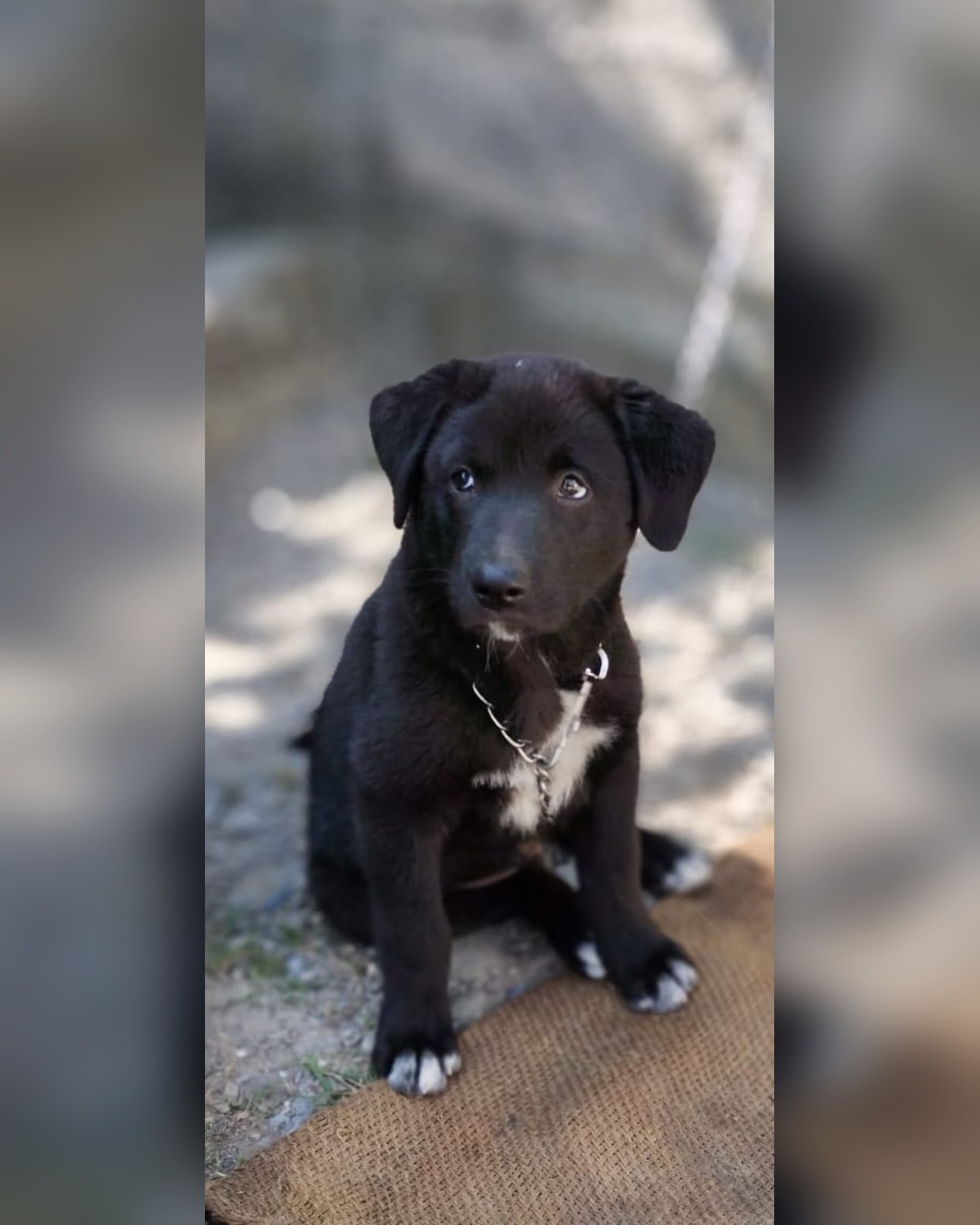
He learned our gate. In the evenings he would wait near it, his tail already moving before anyone called his name. When the metal scraped open, he ran inside as if every opening of that gate might be for him.
My parents knew his habits. He knew the sounds of our house. After enough years, it stopped feeling as though he was visiting.
Riki was also the one who brought Tiger.
At first Riki came alone. Then Tiger began appearing beside him. After a while it was normal to see two dogs near the gate instead of one. Tiger learned our lane because his friend had brought him there.
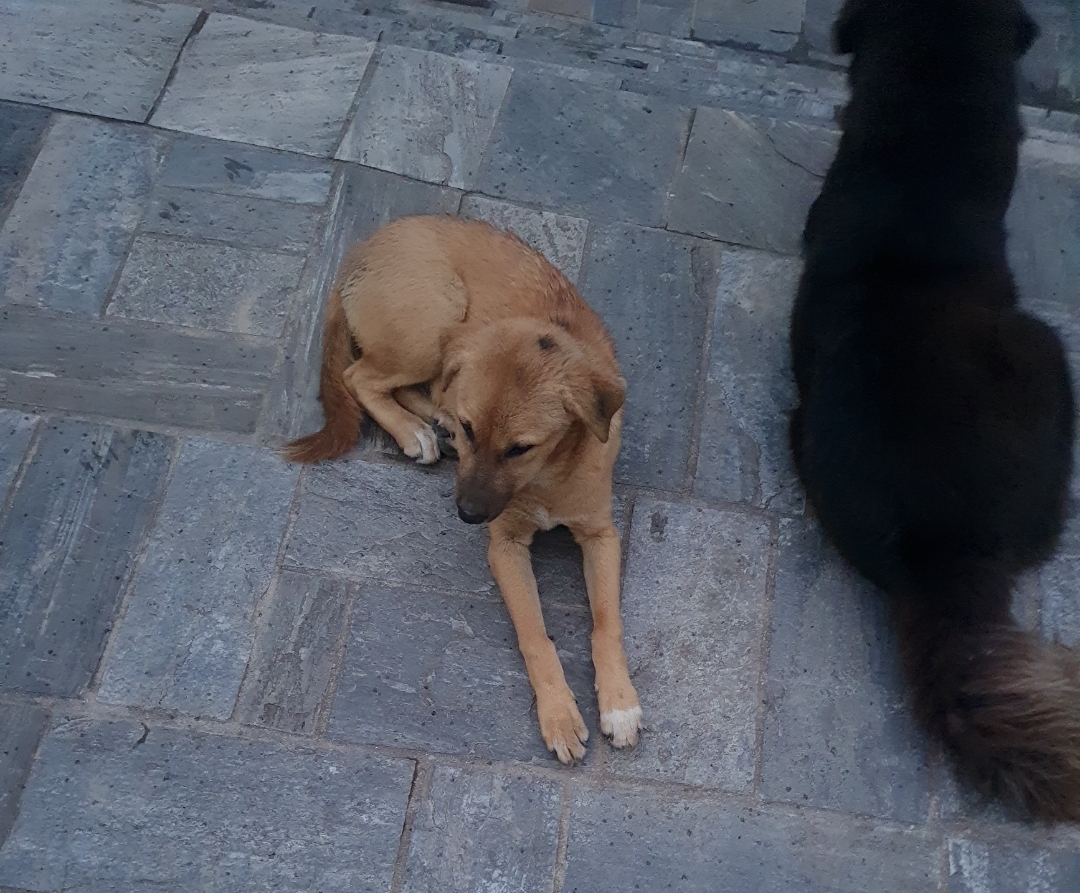
In the photograph, Tiger is lying down. Riki moved while the picture was being taken and came out as a dark blur beside him. I used to think nothing of it. Now I keep looking at both of them.
Then Riki was given away.
They said he bit. I do not want loving him to make that part of the story disappear. A dog biting is serious. I was not present for every incident, and I do not know everything that led to the decision. Maybe the person who took him is caring for him well. I hope so.
My parents still asked the neighbor not to send him away. He had been coming into our house for years. There was food for him in our kitchen. Tiger had spent his days beside him.
But everyone in our family works, and for much of the day no one is home. We could not promise Riki the time and care that keeping him would require.
So my parents asked. They could not offer the one alternative that might have changed the decision.
Then Riki was gone. Tiger remained next door.
We noticed it in Tiger’s food first. He does not eat the way he used to. Tiger used to look as though he was smiling. Now even that expression seems off. He sits looking outside for long stretches. He waits and watches the lane as though he is trying to find his friend.
Maybe we are putting our own grief onto him. I have thought about that. But we knew Tiger before Riki left, and we know him now. Something is different. He does not eat as before. His face has changed. He keeps looking toward the place where Riki should appear.
Inside our house, the biscuit packets remained where they had been kept. We did not buy them to remember Riki. We bought them because we thought he would be back tomorrow.
Even the habit of setting food aside has not fully left us. There will be something he would have liked, and for a moment somebody still remembers him as part of the meal.
Riki was the neighbor’s dog. That is why he could be taken away without anyone asking us.
The biscuits are still here.
Across the wall, Tiger is still waiting.
I wish there were a way to tell him that Riki is not late.
next note
The Door You Left Open
On the gap between being useful and being present.